
February 15, 2024
The Art and Science of Kit Colors
In the dynamic world of soccer, where emotions run high and passion is palpable, the color of a team’s kit
is more than just a fashion statement – it’s a powerful psychological tool that influences both players and fans. Exploring the nuances of color psychology in kit design reveals a strategic interplay between hues and emotions that transcends the boundaries of the pitch.
1. Red: The Color of Intensity
Red, a perennial favorite in soccer kit design, is synonymous with intensity, passion, and energy. Teams like Liverpool FC in the English Premier League and Atlanta United in Major League Soccer (MLS) strategically incorporate red into their kits. This color is believed to stimulate adrenaline, energizing players and rousing fans to fervently support their team.
2. Blue: Calm Confidence and Trust
Blue, a popular choice worldwide, exudes a sense of calm confidence and trust. Clubs like Chelsea FC in the Premier League and New York City FC in MLS embrace shades of blue in their kits. This color is associated with stability, promoting a composed demeanor among players and fostering a sense of reliability that resonates with fans.
3. Green: Harmony and Growth
Green, often linked with nature and growth, signifies harmony and balance. Sporting CP in Portugal and the Seattle Sounders FC in MLS incorporate green into their kits. The color is believed to evoke feelings of harmony, fostering a cohesive team spirit and connecting fans to the team’s commitment to growth and success.
4. Yellow: Optimism and Energy
Yellow, a color that radiates optimism and energy, is a bold choice in kit design. Borussia Dortmund in Germany’s Bundesliga and the LA Galaxy in MLS showcase the vibrancy of yellow. This color is thought to boost morale and exude a positive vibe, motivating both players and fans to embrace the joy of the game.
5. Black: Elegance and Authority
Black, a timeless and sophisticated choice, symbolizes authority and elegance. AC Milan in Serie A and LAFC in MLS opt for black in their kits. This color exudes a sense of power and control, instilling confidence in players and projecting a strong, stylish image that resonates with fans.
6. White: Purity and Unity
White, representing purity and unity, is a classic choice that transcends cultural boundaries. Real Madrid in La Liga and the New England Revolution in MLS incorporate white into their kits. This color symbolizes a fresh start, fostering a sense of unity among players and capturing the attention of fans with its timeless appeal.
The colors chosen for soccer kits extend beyond aesthetics, weaving a subtle but profound influence on the psychology and emotions of both players and fans. As teams strategically select hues that align with their identity and aspirations, the art and science of kit design continue to be a captivating aspect of the beautiful game.
For more information on how Sogility became what it is today and the story behind its colors visit sogility.net/about-us.
The post The Art and Science of Kit Colors
appeared first on Sogility.
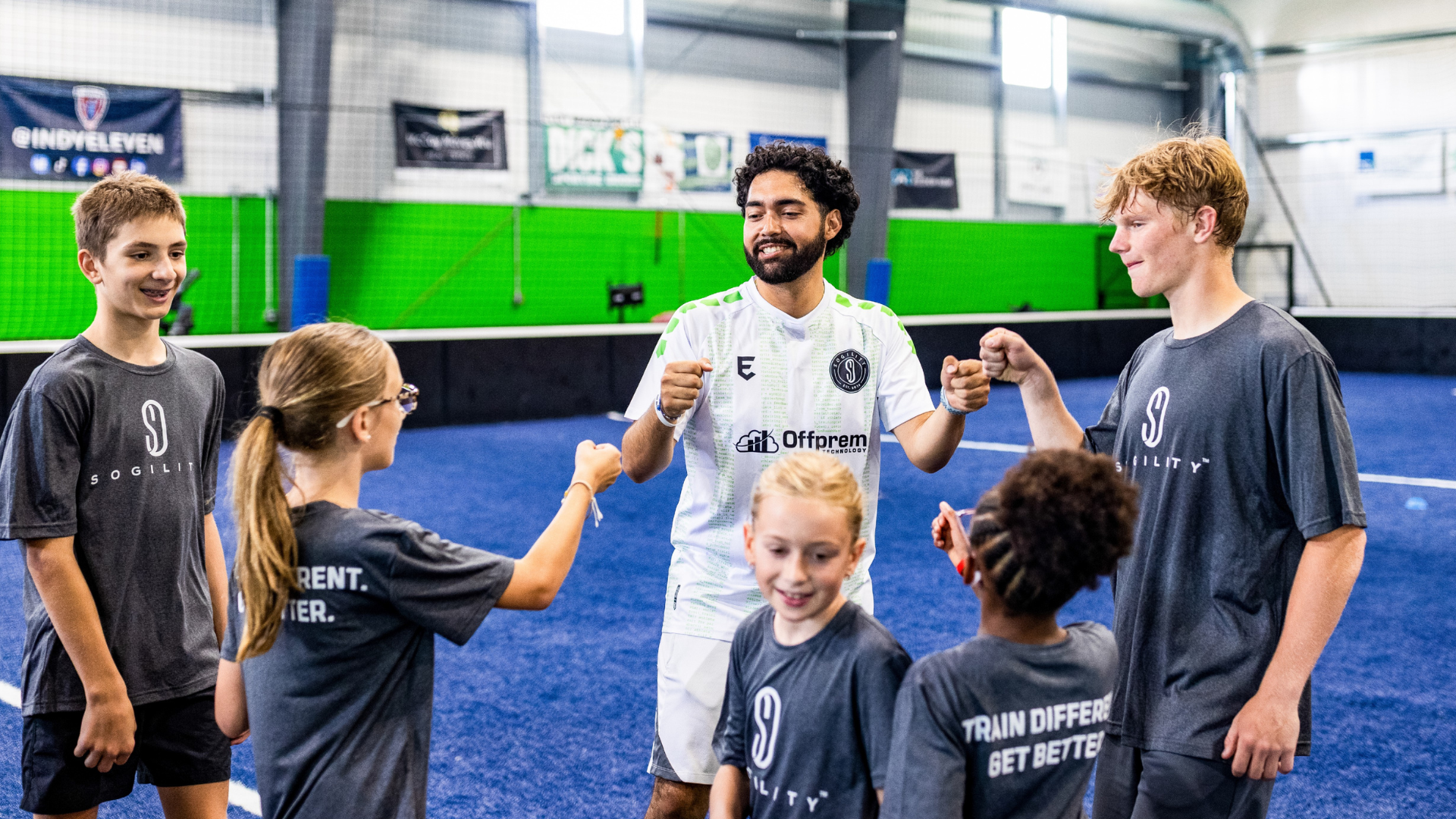
At Sogility, our trainers are more than coaches, they’re mentors, motivators, and role models who help athletes discover their potential. This month, we’re excited to spotlight one of our dedicated Sogility Westfield trainers: Allan Ramirez. A Unique Soccer Journey Allan’s soccer story begins in Mexico City, where he was born and developed an early passion for the game. Unlike many players who rise through traditional youth club systems, Allan’s path looked very different. He only played one year of high school soccer and never played travel or club soccer growing up. Instead, he sharpened his skills in local adult leagues at a young age. His determination and love for the sport propelled him forward, eventually leading him to play semi-pro for multiple seasons and earn opportunities to try out for professional clubs. Allan’s unconventional path is proof that there is no single way to pursue the game, and that passion can take you far.
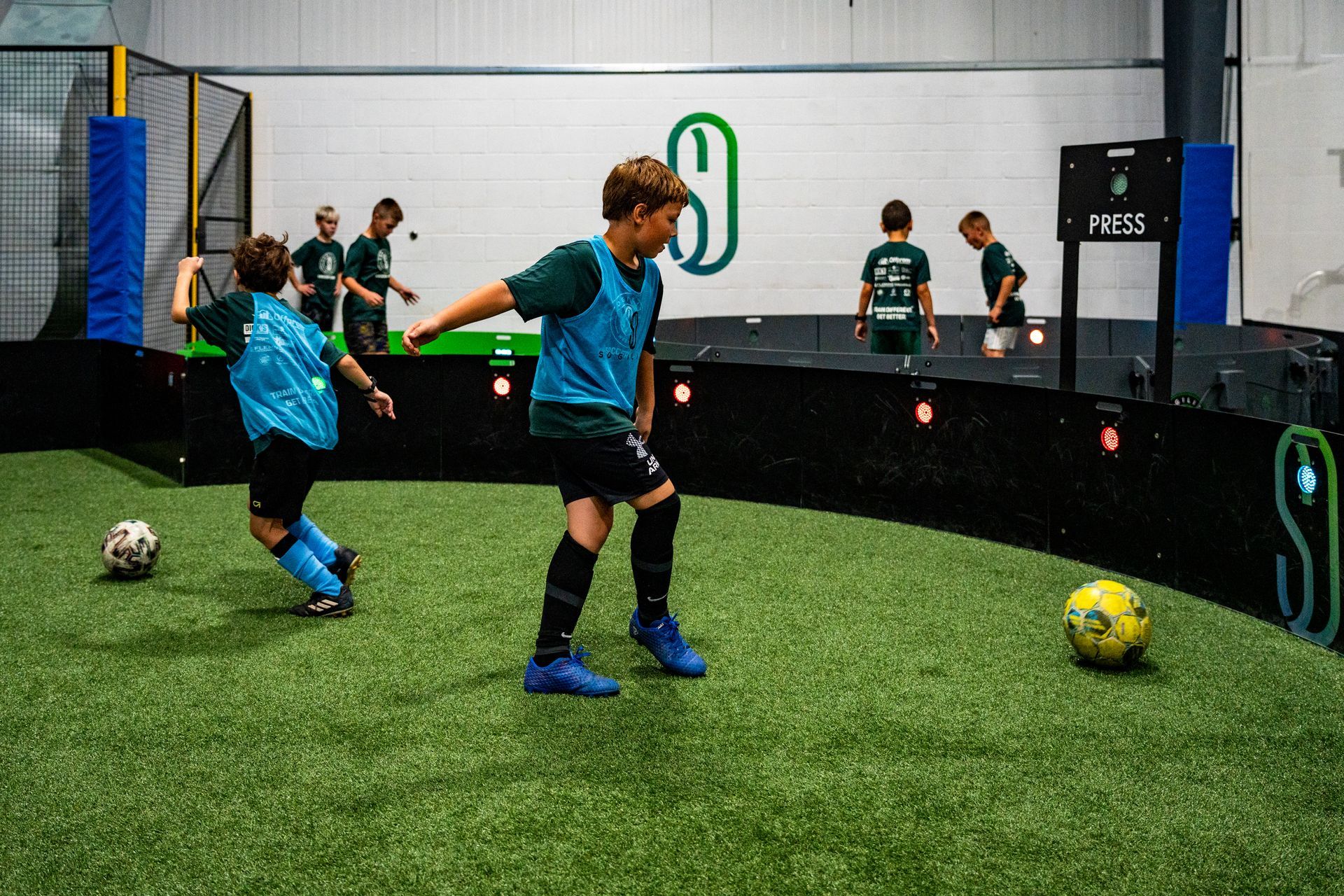
Holiday breaks can disrupt a player’s rhythm, but they can also be the perfect time to reset, refocus, and make meaningful progress. With the right approach, players can return to winter training sharper, stronger, and more confident—without sacrificing time with friends and family. At Sogility, we believe the holiday period is one of the most underrated training windows of the year. Here’s how to make the most of it. 1. Schedule Quick, Efficient Sessions Training during the holidays doesn’t need to feel overwhelming. Short, intentional sessions are not only easier to fit into a busy schedule, they’re incredibly effective for skill retention. Try aiming for: 3–4 sessions per week 20–30 minutes each Focused work on technique, speed of play, and ball familiarity These bite-sized sessions help maintain sharpness without burning players out. A few minutes of ball mastery or first-touch work done consistently over the break can have a huge impact once formal training resumes. Pro Tip: Pair a quick technical session with a simple fitness component—such as sprints, agility ladders, or core work—to stay game-ready as you enjoy holiday meals and downtime. 2. Take Advantage of Indoor Time Winter weather isn’t always friendly to outdoor training, but the holidays provide excellent opportunities to get creative indoors. You don’t need a full field to develop high-level skills—just a ball and a small space. Great indoor activities include: Focused work on technique, speed of play, and ball familiarityBall mastery (toe taps, inside–outside touches, sole rolls) Footwork ladders or cone patterns to develop agility Quick wall passes to improve first-touch and reaction speed Target passing using laundry baskets, tape squares, or furniture as safe targets Indoor training is especially helpful for developing control, coordination, and quick feet, skills that translate directly to better performance in small-sided play and high-pressure moments. Bonus Idea: Parents and siblings can join in, turning quick sessions into fun family challenges. This keeps training lighthearted and enjoyable during the holiday season. 3. Keep It Fun The holidays are a time to relax, recharge, and reconnect with the joy of playing soccer. Keeping training fun during the break helps players stay motivated and rediscover their creativity. Try adding: Trick-shot or accuracy competitions 1v1 games with friends or siblings Freestyle or juggling challenges Fun play builds confidence and improves problem-solving skills on the field—the type of creativity coaches love to see. Remember: When players enjoy the game, their technical development accelerates naturally. 4. Use Technology to Track Progress One of the biggest advantages of holiday break training is the ability to measure improvement in a short window of time. At Sogility, our tech-enhanced training stations are built for exactly this. With these tools, holiday break doesn’t just maintain your level, it elevates it. Players return to team training with sharper touches, quicker reactions, and increased confidence. Holiday Advantage: Most players slow down during winter break. Using tech-enhanced training gives you a competitive edge heading into winter and spring seasons. Final Thoughts: Make the Holidays Your Growth Season The holiday break is a valuable opportunity, not a setback. With short, targeted sessions, indoor creativity, fun-focused play, and Sogility’s training technology, players can make meaningful progress while still enjoying the season. Final Thought Whether you’re preparing for tryouts, winter league, or spring soccer, staying active during the holidays ensures you return with momentum, not rust.
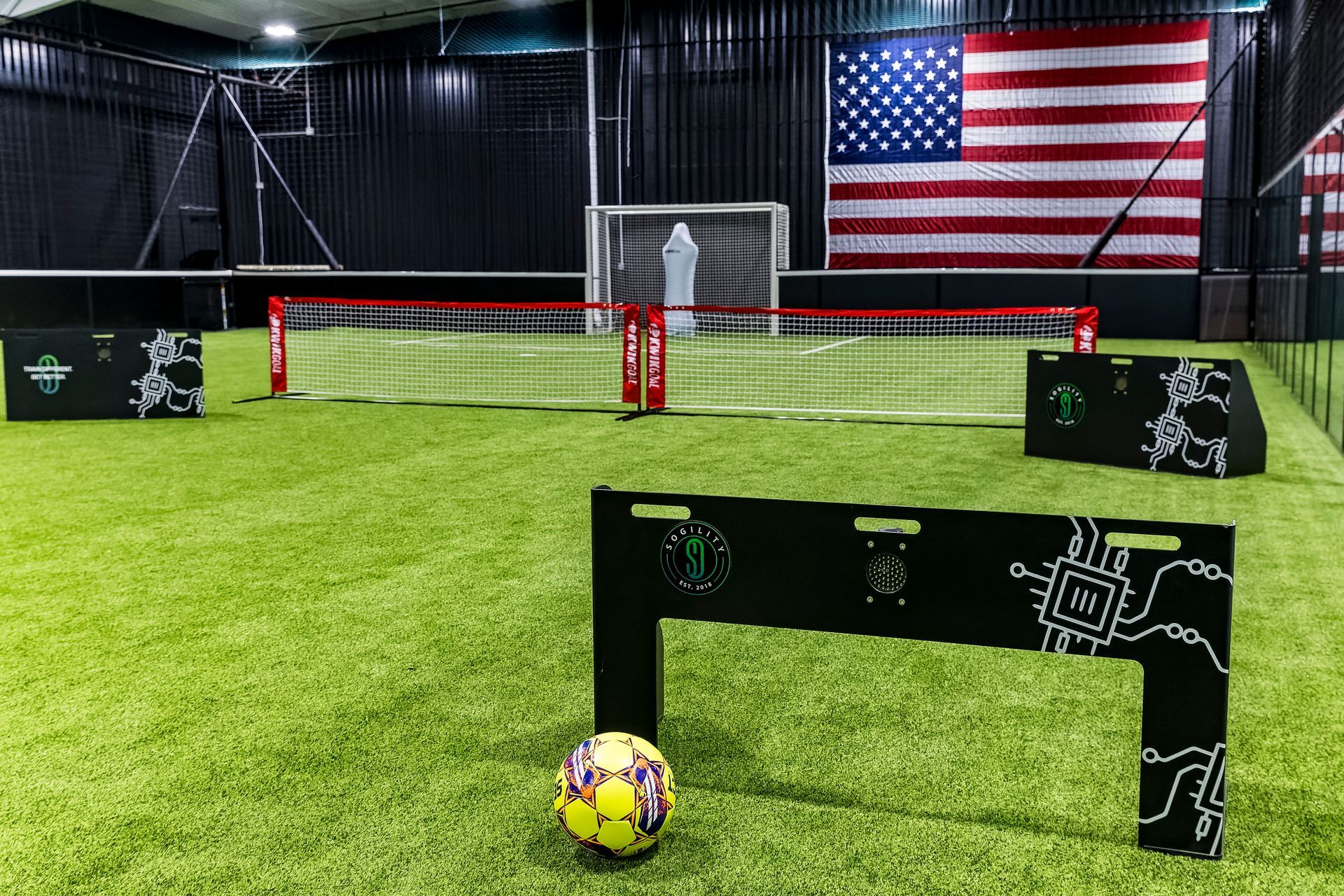
All You Need in the Game: Master Essential Skills for Better Performance At Sogility, we know that mastering the essential skills of soccer requires more than just physical fitness — it demands speed, precision, sharp decision-making, and mental toughness. That’s why we offer Circuit Training , a revolutionary program that combines cutting-edge technology with innovative drills to prepare players for the fast-paced, high-pressure challenges of real-game play.